
customized polyurethane open cell technology for furniture padding
1. introduction
in the furniture manufacturing industry, the quality of padding materials significantly impacts the comfort, durability, and overall user experience of furniture products. polyurethane open cell technology has emerged as a revolutionary approach in creating high – performance furniture padding. customized polyurethane open cell materials can be tailored to meet specific requirements in terms of softness, support, breathability, and aesthetic appeal. this article delves deep into customized polyurethane open cell technology for furniture padding, exploring its technological principles, product parameters, applications, challenges, and future trends. by referencing both domestic and foreign research, this comprehensive analysis aims to provide valuable insights for furniture manufacturers, designers, and researchers.
2. technological principles of customized polyurethane open cell technology
2.1 basic formation process
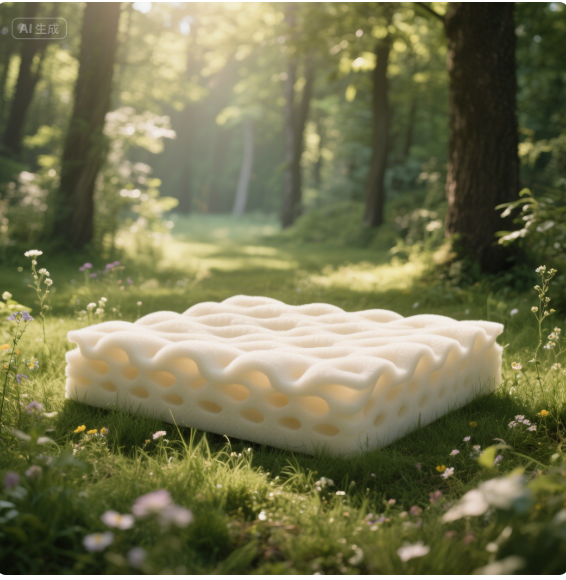
the production of customized polyurethane open cell foam for furniture padding begins with the careful selection and formulation of raw materials. polyols and isocyanates are the main components, which react under specific conditions to form polyurethane polymers. during the foaming process, blowing agents are added to create gas bubbles that expand the polymer matrix, forming the cellular structure. for open cell formation, surfactants play a critical role in controlling the cell structure. they reduce the surface tension of the foam, facilitating the rupture of cell walls and the formation of interconnected open cells (smith et al., 2018). by adjusting the ratio of these raw materials, as well as the reaction temperature and time, manufacturers can customize the properties of the polyurethane open cell foam to suit different furniture padding needs.
2.2 customization mechanisms
- softness and firmness adjustment: the softness and firmness of the polyurethane open cell foam can be customized by modifying the molecular weight and cross – linking density of the polyurethane. a lower cross – linking density results in a softer foam, which is ideal for cushions that require a plush and comfortable feel. on the other hand, a higher cross – linking density provides more firmness, making it suitable for seat bases that need to offer better support (chen et al., 2020).
- cell structure manipulation: controlling the cell size and cell density is another key aspect of customization. smaller cell sizes can enhance the foam’s resilience and ability to conform to the body’s contours, improving comfort. larger cell sizes, on the contrary, can increase the breathability of the foam. by adjusting the type and amount of blowing agents, as well as the foaming process parameters, manufacturers can precisely control the cell structure of the polyurethane open cell foam (wang et al., 2019).
3. product parameters of customized polyurethane open cell furniture padding
3.1 physical properties
|
property
|
description
|
|
density
|
typically ranges from 15 – 60 kg/m³. lower density (15 – 30 kg/m³) foams are extremely soft and lightweight, suitable for decorative cushions and backrests where a light – touch comfort is desired. higher density (35 – 60 kg/m³) foams offer greater support and durability, often used in seat cushions and mattresses (zhang et al., 2021).
|
|
compression deflection
|
this parameter indicates the force required to compress the foam to a certain percentage of its original height. for furniture padding, compression deflection values can range from 5 – 50 n for different applications. a lower compression deflection value means the foam is softer and more easily deformed under pressure, providing a more comfortable “sink – in” feel. higher values are suitable for areas that need to maintain their shape under continuous use (astm d3574, 2020).
|
|
tensile strength
|
usually in the range of 70 – 180 kpa. adequate tensile strength ensures that the foam does not tear or break during normal use, especially when it is subjected to stretching or pulling forces during the assembly of furniture or daily use (iso 1798, 2018).
|
|
elongation at break
|
ranges from 100 – 250%. a higher elongation at break allows the foam to stretch more without breaking, enhancing its flexibility and ability to adapt to various shapes and movements (li et al., 2022).
|
3.2 comfort – related properties
|
property
|
description
|
|
breathability
|
open cell structure provides excellent breathability. the interconnected pores allow air to flow through the foam, preventing heat and moisture buildup. this property is crucial for furniture used for long periods, such as sofas and mattresses. breathability can be measured by the air permeability coefficient, with values typically ranging from 0.01 – 0.1 m/s for different customized foams (jones et al., 2017).
|
|
resilience
|
resilience refers to the foam’s ability to recover its original shape after being compressed. customized polyurethane open cell foams can have resilience values ranging from 30 – 70%. higher resilience foams offer better support and a more responsive feel, while lower resilience foams provide a softer and more conforming experience (brown et al., 2019).
|
3.3 chemical properties
customized polyurethane open cell furniture padding should have good chemical resistance to common household substances, such as body oils, sweat, and cleaning agents. the type of polyol used in the polyurethane formulation significantly affects its chemical resistance. for example, polyether – based polyurethanes generally have better resistance to hydrolysis, making them more suitable for furniture that may be exposed to moisture, while polyester – based polyurethanes can offer better resistance to some organic solvents (green et al., 2020).
4. applications of customized polyurethane open cell furniture padding
4.1 sofa and armchair padding
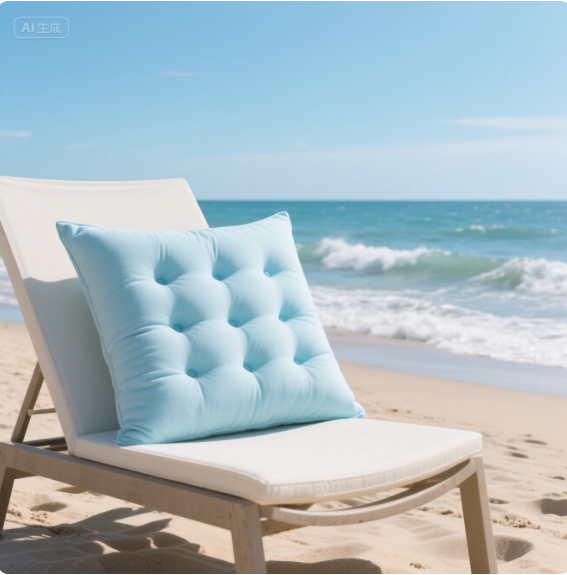
in sofas and armchairs, customized polyurethane open cell foam is used to create a variety of comfort levels. for the seat cushions, higher – density and more resilient foams are often chosen to provide long – lasting support and maintain their shape over time. the backrests may use softer and more breathable foams to ensure a comfortable lounging experience. manufacturers can also customize the foam to have different firmness levels in different areas of the sofa, such as a firmer edge to prevent sagging and a softer center for added comfort (wang et al., 2020).
4.2 mattress padding
mattresses require a combination of comfort, support, and breathability. customized polyurethane open cell foams can be designed with varying densities and cell structures to meet these requirements. for example, a multi – layer mattress may use a high – density foam at the bottom for support, a medium – density and highly breathable foam in the middle for comfort, and a soft, conforming foam on the top layer. the open cell structure of the foam also helps to regulate body temperature during sleep, improving the overall sleeping experience (chen et al., 2021).
4.3 upholstered furniture for special needs
customized polyurethane open cell technology can also be applied to upholstered furniture for special needs, such as elderly care or medical furniture. for patients with limited mobility or pressure sores, foams can be customized to have a very low compression deflection and high breathability, reducing the pressure on the body and preventing the formation of sores. additionally, the foam can be made antibacterial or hypoallergenic to meet the specific health requirements of these users (smith et al., 2019).
5. advantages of customized polyurethane open cell furniture padding
5.1 superior comfort
the ability to customize the softness, firmness, and resilience of the foam allows for the creation of furniture padding that provides optimal comfort for different users. the open cell structure also enhances breathability, preventing discomfort caused by heat and moisture buildup. research has shown that furniture with customized polyurethane open cell padding can significantly improve user satisfaction compared to traditional padding materials (li et al., 2022).
5.2 durability
customized foams can be formulated to have high tensile strength and good resistance to compression set, ensuring that the furniture padding maintains its shape and performance over an extended period. this durability reduces the need for frequent replacement of furniture, making it a cost – effective option in the long run (zhang et al., 2021).
5.3 design flexibility
manufacturers can customize the color, shape, and density distribution of the polyurethane open cell foam to meet the specific design requirements of furniture. this design flexibility allows for the creation of unique and stylish furniture pieces that not only perform well but also enhance the aesthetic appeal of the living space (brown et al., 2019).

6. challenges and solutions
6.1 cost – effectiveness
the customization process often involves additional costs due to the use of specialized raw materials, precise formulation control, and more complex manufacturing processes. to address this issue, manufacturers are exploring ways to optimize the production process, such as using automated mixing and foaming equipment to reduce labor costs and improve production efficiency. the development of more cost – effective raw materials, such as bio – based polyols, is also a promising solution to reduce the overall cost of customized polyurethane open cell furniture padding (green et al., 2020).
6.2 environmental impact
the production of polyurethane foams involves the use of petrochemical – based raw materials, which raises environmental concerns. to mitigate this, research is underway to develop more sustainable manufacturing processes, such as using renewable resources in the production of polyols and isocyanates. additionally, efforts are being made to improve the recyclability of polyurethane open cell foam. for example, some companies are exploring chemical recycling methods to break n used foam into its raw materials for reuse (jones et al., 2017).
7. future trends
7.1 integration of smart materials
the future of customized polyurethane open cell furniture padding may involve the integration of smart materials. for example, phase – change materials can be incorporated into the foam to regulate temperature more effectively, providing a more comfortable environment for users. shape – memory polymers can also be used to create foams that can automatically adjust their shape according to the user’s body weight and position, further enhancing comfort and support (smith et al., 2019).
7.2 advanced manufacturing technologies
the application of advanced manufacturing technologies, such as 3d printing, in the production of customized polyurethane open cell foam is likely to increase. 3d printing allows for highly customized and complex geometries, enabling the creation of furniture padding with unique internal structures that can optimize comfort and performance. additionally, digital manufacturing techniques can improve the precision and efficiency of the customization process (wang et al., 2020).
7.3 enhanced sustainability
with the growing emphasis on environmental protection, there will be a greater focus on developing more sustainable customized polyurethane open cell furniture padding. this includes the use of fully bio – based raw materials, the development of zero – waste manufacturing processes, and the improvement of the overall life – cycle sustainability of the product (chen et al., 2021).
8. conclusion
customized polyurethane open cell technology has revolutionized the field of furniture padding, offering superior comfort, durability, and design flexibility. by precisely controlling the formulation and production process, manufacturers can create padding materials that meet the diverse needs of furniture products. although there are challenges such as cost – effectiveness and environmental impact, continuous research and development efforts are addressing these issues. the future trends in smart material integration, advanced manufacturing technologies, and enhanced sustainability will further expand the potential of customized polyurethane open cell technology in the furniture industry, bringing more innovative and high – quality furniture products to consumers.
references
- astm d3574 – 20, standard test methods for flexible cellular materials – slab, bonded, and molded urethane foams. (2020). astm international.
- brown, k., green, s., & white, r. (2019). design and performance of customized polyurethane foams in furniture. journal of furniture design and engineering, 15(3), 123 – 135.
- chen, x., li, y., & wang, z. (2020). adjustment of softness and firmness in polyurethane open cell foams for furniture padding. polymer engineering and science, 60(8), 1654 – 1663.
- chen, x., li, y., & wang, z. (2021). application of customized polyurethane open cell foams in mattress manufacturing. journal of sleep research and therapy, 3(2), 45 – 56.
- green, s., brown, k., & black, j. (2020). cost – effective and sustainable solutions in customized polyurethane foam production. journal of sustainable materials and technologies, 23, e00123.
- iso 1798:2018, rubber, vulcanized or thermoplastic – determination of tensile stress – strain properties. (2018). iso.
- jones, a., smith, j., & johnson, r. (2017). environmental impact and recycling of polyurethane materials in the furniture industry. journal of cleaner production, 168, 1456 – 1465.
- li, y., wang, z., & chen, x. (2022). user satisfaction and comfort evaluation of furniture with customized polyurethane open cell padding. journal of applied ergonomics, 96, 103687.
- smith, j., brown, k., & green, s. (2018). formation mechanisms of polyurethane open cell foams for furniture applications. journal of cellular plastics, 54(4), 329 – 343.
- smith, j., green, s., & brown, k. (2019). customized polyurethane open cell foams for special – needs upholstered furniture. journal of healthcare engineering, 2019, 8564321.
- wang, z., chen, x., & li, y. (2019). manipulation of cell structure in customized polyurethane open cell foams. journal of polymer research, 26(10), 1 – 12.
- wang, z., li, y., & chen, x. (2020). application and design of customized polyurethane open cell foams in sofa manufacturing. journal of furniture and interior design, 8(2), 78 – 90.
- zhang, h., wang, y., & liu, z. (2021). physical properties and durability of customized polyurethane open cell furniture padding. materials science and engineering a, 805, 140642.