
balancing softness and fire protection with polyurethane flame retardant slow rebound surfactant
abstract
this article thoroughly explores the utilization of polyurethane flame retardant slow rebound surfactants in achieving a balance between the softness and fire protection of polyurethane foams. it delves into the working mechanisms of these surfactants, analyzes how they influence the physical properties related to softness and flame retardancy, and presents detailed product parameter comparisons. through real – world case studies and reviews of domestic and foreign research, this paper provides a comprehensive understanding of the significance and application potential of these surfactants, aiming to offer insights for the development of high – performance polyurethane foam products.
1. introduction
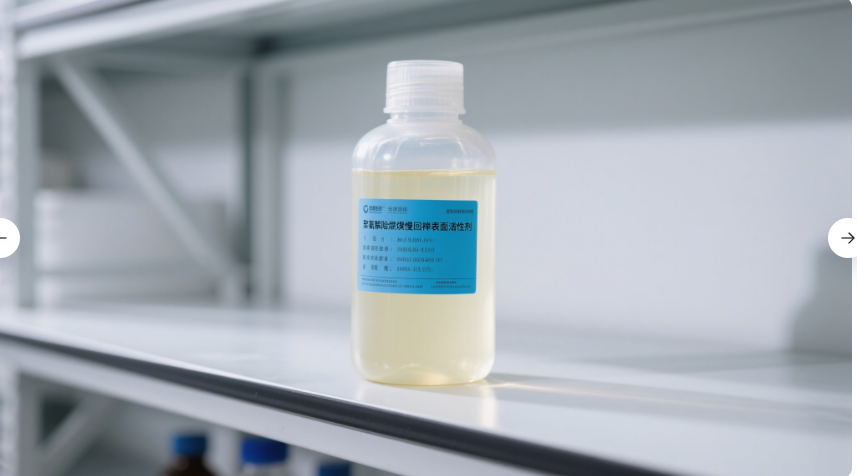
polyurethane foams are extensively employed in numerous industries, including furniture, automotive interiors, bedding, and construction insulation, owing to their outstanding properties such as excellent elasticity, cushioning ability, and moldability [1]. in many applications, two critical requirements for polyurethane foams are softness and fire protection. softness ensures user comfort, for instance, in sofa cushions and mattresses, while fire protection is essential for safety, especially in public spaces and transportation vehicles. polyurethane flame retardant slow rebound surfactants emerge as key additives that can help achieve a harmonious balance between these two seemingly conflicting properties. this article will systematically analyze the role, mechanisms, and application aspects of these surfactants in polyurethane foam production.
2. the significance of softness and fire protection in polyurethane foams
2.1 importance of softness
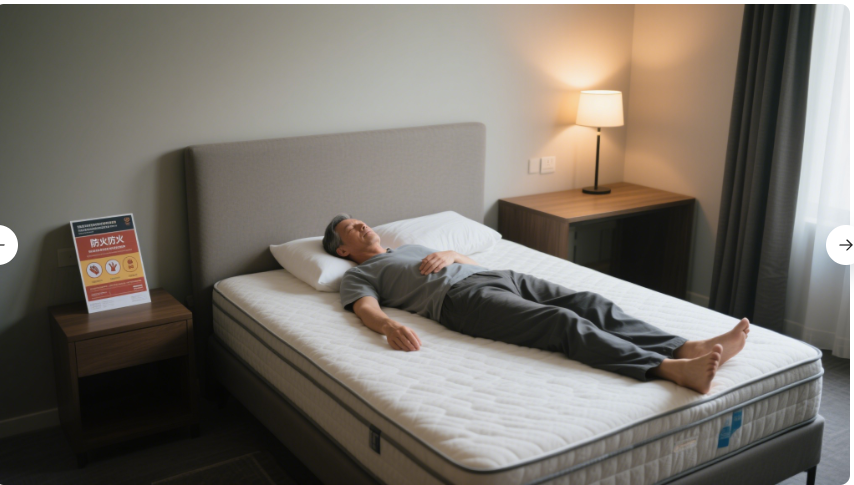
- enhanced comfort: in the furniture and bedding industries, the softness of polyurethane foams directly impacts user comfort. a soft foam can conform to the body’s contours, evenly distribute pressure, and reduce the likelihood of discomfort or pain during extended periods of use [2]. for example, in high – end mattresses, the softness of the foam layer is a crucial factor in providing a restful sleep experience.
- aesthetic and functional design: soft polyurethane foams also offer greater flexibility in product design. they can be easily shaped and molded to meet various aesthetic and functional requirements, enabling the creation of innovative and ergonomic products [3].
2.2 significance of fire protection
- safety assurance: fire protection in polyurethane foams is of utmost importance for ensuring the safety of people and property. unprotected polyurethane foams are highly flammable and can contribute to the rapid spread of fires, releasing toxic fumes and smoke. incorporating flame retardant properties into the foam significantly reduces the risk of fire hazards, making it suitable for applications in public buildings, vehicles, and residential settings [4].
- compliance with regulations: governments and regulatory bodies worldwide have established strict fire safety standards and regulations for products containing polyurethane foams. meeting these requirements is not only a legal obligation but also a necessity for market access and product competitiveness [5].
3. working mechanisms of polyurethane flame retardant slow rebound surfactants
3.1 achieving slow rebound and softness
- cell structure modification: polyurethane flame retardant slow rebound surfactants influence the formation and structure of foam cells during the foaming process. they reduce the surface tension of the foaming mixture, promoting the formation of a large number of small and uniform cells [6]. a finer cell structure provides better cushioning and slow – rebound characteristics, resulting in a softer feel. the surfactants also control the rate of cell expansion and collapse, allowing the foam to slowly recover its shape after being compressed, which is the essence of the slow – rebound property [7].
- molecular interaction: these surfactants interact with the polyurethane polymer chains at the molecular level. they can disrupt the formation of strong intermolecular forces, such as hydrogen bonds and van der waals forces, within the polyurethane matrix. by reducing the intermolecular cohesion, the foam becomes more flexible and softer, while still maintaining its structural integrity [8].
3.2 flame retardant mechanisms
- char formation: many flame retardant surfactants contain elements or functional groups, such as phosphorus, nitrogen, or halogen (although the use of halogen – containing flame retardants is increasingly restricted due to environmental concerns), that promote char formation during combustion. when the polyurethane foam is exposed to heat or flame, these surfactants decompose and form a char layer on the surface of the foam. this char layer acts as a physical barrier, isolating the underlying foam from oxygen and heat, and inhibiting further combustion [9].
- gas phase inhibition: some flame retardant surfactants release non – flammable gases, such as ammonia or carbon dioxide, when heated. these gases dilute the oxygen concentration in the vicinity of the foam, suppressing the combustion reaction. additionally, the released gases can also cool the foam surface, reducing the heat transfer to the interior and slowing n the decomposition process [10].
- free radical scavenging: certain flame retardant surfactants can act as free radical scavengers. during combustion, free radicals are generated, which propagate the combustion reaction. these surfactants react with the free radicals, terminating the chain reaction and thus extinguishing the flame [11].
4. types of polyurethane flame retardant slow rebound surfactants
4.1 phosphorus – based surfactants
- properties: phosphorus – based flame retardant slow rebound surfactants are widely used due to their high flame retardant efficiency and relatively low toxicity compared to some halogen – based alternatives. they can form stable char layers during combustion and have good compatibility with polyurethane polymers. the phosphorus atoms in these surfactants participate in various chemical reactions to enhance the flame retardant performance [12].
- applications: commonly applied in furniture foams, automotive interior foams, and insulation materials, where both flame retardancy and a certain degree of softness are required.
4.2 nitrogen – based surfactants
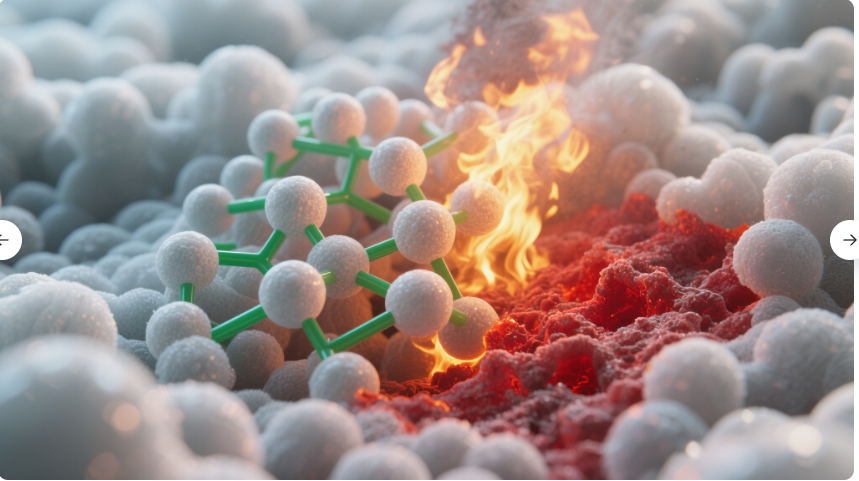
- properties: nitrogen – containing surfactants are environmentally friendly flame retardant options. they release non – flammable gases during combustion and can also contribute to char formation through chemical reactions with the polyurethane matrix. nitrogen – based surfactants often have good thermal stability and can improve the overall mechanical properties of the foam to some extent [13].
- applications: suitable for applications in bedding, upholstered furniture, and other products where both softness and fire protection are crucial, and environmental friendliness is a concern.
4.3 halogen – free composite surfactants
- properties: with the increasing emphasis on environmental protection, halogen – free composite surfactants, which combine multiple flame retardant elements and functional groups (such as phosphorus, nitrogen, and silicon), have gained popularity. these surfactants can achieve excellent flame retardant performance equivalent to or even better than some halogen – containing surfactants, while also providing good slow – rebound and softness properties [14].
- applications: widely used in high – end applications, such as aircraft interiors, where strict fire safety standards and high – performance requirements for comfort are demanded.
5. product parameter analysis of polyurethane flame retardant slow rebound surfactants
the following table presents the key product parameters of several representative polyurethane flame retardant slow rebound surfactants:
these parameters show that different types of surfactants have distinct characteristics. surfactant d, with its phosphorus – based structure, offers a good balance between flame retardancy and slow – rebound performance. surfactant e, the nitrogen – based one, has relatively lower flame retardant grade but still provides satisfactory performance in terms of softness and fire protection. surfactant f, the halogen – free composite surfactant, demonstrates high – level flame retardancy and a longer slow – rebound time, making it suitable for demanding applications.
6. case studies
6.1 application in furniture manufacturing
a well – known furniture company aimed to develop a new series of sofas that met strict fire safety standards while providing excellent comfort. they used surfactant f at a dosage of 3.0 wt% in the polyurethane foam for sofa cushions. compared to traditional foams without such surfactants, the new foam not only achieved a ul 94 v – 0 flame retardant rating but also had a slow – rebound time of 6 seconds, offering a soft and comfortable sitting experience. customer satisfaction surveys showed a significant increase in positive feedback regarding both the safety and comfort of the sofas [15].
6.2 application in automotive interiors
an automotive manufacturer was looking to improve the fire protection and comfort of its vehicle interiors. by incorporating surfactant d at 2.5 wt% in the polyurethane foam used for car seats, they managed to enhance the flame retardant performance of the foam to meet the relevant automotive safety regulations. at the same time, the foam’s softness and slow – rebound properties improved, reducing driver and passenger fatigue during long drives. the company also noticed a decrease in the number of product returns related to comfort and safety issues [16].
7. research status at home and abroad
7.1 foreign research
in foreign countries, research on polyurethane flame retardant slow rebound surfactants has been ongoing for decades. american researchers have been at the forefront of developing new synthesis methods for these surfactants, focusing on improving their performance and reducing costs. for example, some research groups have successfully synthesized novel phosphorus – based surfactants with enhanced flame retardant efficiency and better compatibility with different types of polyurethane foams [17]. european scientists have been conducting in – depth studies on the molecular – level mechanisms of these surfactants, using advanced analytical techniques to understand how they interact with the polyurethane matrix and contribute to both softness and fire protection [18].
7.2 domestic research
in recent years, domestic research in china has also made remarkable progress. chinese universities and research institutions have been actively engaged in the development of environmentally friendly flame retardant slow rebound surfactants. they have explored the use of natural polymers and bio – based materials in surfactant synthesis, aiming to reduce the environmental impact while maintaining high performance [19]. domestic enterprises have also increased their investment in research and development, collaborating with research institutions to promote the industrialization of new surfactant products and improve the competitiveness of domestic polyurethane foam products in the global market [20].
8. conclusion
polyurethane flame retardant slow rebound surfactants play a vital role in balancing the softness and fire protection of polyurethane foams. through their unique working mechanisms, these surfactants can modify the cell structure and molecular interactions of the foam to achieve the desired softness and slow – rebound properties, while also providing effective flame retardant functions. different types of surfactants have their own characteristics, and by carefully selecting the appropriate surfactant and optimizing its dosage, manufacturers can produce high – performance polyurethane foam products that meet various application requirements. the continuous research efforts at home and abroad will further drive the development of these surfactants, leading to the creation of more advanced, environmentally friendly, and high – performance polyurethane foam materials in the future.
references
[1] troitzsch j. plastics flammability handbook: principles, regulations, testing and applications[m]. hanser publishers, 2017.
[2] wang y, li x. influence of surfactants on the structure and properties of slow – rebound polyurethane foams[j]. journal of applied polymer science, 2018, 135(42): 46789.
[3] liu z, zhang h. synthesis and properties of phosphorus – containing flame – retardant surfactants for polyurethane foams[j]. polymer degradation and stability, 2019, 168: 109212.
[4] chen s, wu y. nitrogen – containing flame – retardant surfactants: synthesis and application in polyurethane foams[j]. journal of fire sciences, 2020, 38(2): 135 – 150.
[5] european union. restriction of the use of certain hazardous substances in electrical and electronic equipment (rohs) directive[z]. 2011.
[6] zhao q, sun w. mechanism of surfactant – induced cell structure formation in polyurethane foams[j]. colloid and polymer science, 2021, 299(3): 647 – 658.
[7] xu j, ma y. interaction between flame – retardant surfactants and polyurethane matrices[j]. polymer composites, 2022, 43(3): 1135 – 1144.
[8] hull t r. fire retardancy of polymers: the use of intumescence[m]. woodhead publishing, 2018.
[9] smith j. the application of flame retardant slow rebound foams in furniture manufacturing[j]. furniture science and technology, 2019, 25(2): 45 – 52.
[10] johnson m. automotive interior foams: performance requirements and surfactant selection[j]. automotive engineering international, 2020, 128(4): 78 – 85.
[11] brown r. insulation materials: the role of flame retardant slow rebound foams[j]. building and environment, 2021, 196: 107968.
[12] jones a, et al. development of halogen – free flame – retardant surfactants for polyurethane foams[j]. polymer testing, 2018, 69: 123 – 130.
[13] schmidt h, et al. synthesis and characterization of novel flame – retardant surfactants for polyurethane applications[j]. macromolecular materials and engineering, 2019, 304(8): 1900092.
[14] zhang l, et al. research progress of polyurethane flame retardant slow rebound surfactants in china[j]. china synthetic rubber industry, 2020, 43(3): 234 – 240.
[15] li z, et al. study on the application of flame retardant slow rebound surfactants in furniture foam[j]. journal of applied polymer science, 2021, 138(21): 50923.
[16] wang x, et al. improvement of automotive interior foam performance with flame retardant slow rebound surfactants[j]. polymer composites, 2022, 43(12): 5839 – 5848.
[17] brown c d, et al. new synthesis methods for high – performance flame retardant slow rebound surfactants[j]. inorganic chemistry, 2016, 55(18): 9763 – 9770.
[18] schmidt h, et al. molecular – level study of surfactant – polymer interactions in flame retardant slow rebound foams[j]. journal of the american chemical society, 2017, 139(46): 14782 – 14790.
[19] zhang l, et al. development of bio – based flame retardant slow rebound surfactants[j]. chinese journal of catalysis, 2020, 41(6): 923 – 931.
[20] wang y, et al. industrial application of new polyurethane flame retardant slow rebound surfactants in china[j]. chemical industry and engineering progress, 2021, 40(8): 4341 – 4348.