
high resilience polyurethane foam additive for upholstery applications
abstract
high resilience (hr) polyurethane foam has become a cornerstone material in the upholstery industry due to its superior mechanical properties, comfort, and durability. the addition of specialized additives further enhances its performance, enabling manufacturers to meet evolving consumer demands for sustainability, fire safety, and long-term comfort.
this article provides an in-depth analysis of high resilience polyurethane foam additives, focusing on their role in improving foam characteristics such as resilience, load-bearing capacity, thermal stability, and flame retardancy in upholstered furniture applications. it includes detailed technical specifications, application guidelines, comparative performance data, and references to both international and chinese scientific literature. unlike previous articles, this version emphasizes the integration of smart additives, eco-friendly flame retardants, and advanced processing techniques that are shaping modern hr foam development.
1. introduction
upholstered furniture—such as sofas, chairs, and mattresses—requires materials that offer long-lasting comfort, structural support, and aesthetic appeal. among available cushioning materials, high resilience polyurethane foam stands out for its excellent energy return, durability, and customizability.
to enhance these properties and meet regulatory standards, especially in terms of fire safety and environmental impact, manufacturers incorporate various additives into the foam formulation. these include:
- flame retardants
- surfactants
- catalysts
- crosslinkers
- nanoparticle modifiers
- bio-based extenders
this article explores how these additives influence foam behavior and contribute to the performance of upholstered products in residential, commercial, and institutional settings.
2. chemistry and structure of high resilience polyurethane foam
2.1 basic composition
high resilience polyurethane foam is formed by reacting:
| component | function |
|---|---|
| polyether or polyester polyols | provide flexibility and resilience |
| aromatic diisocyanates (e.g., mdi) | react with polyols to form urethane linkages |
| water or physical blowing agents | generate gas for cell formation |
| surfactants | stabilize bubbles during foaming |
| catalysts | control reaction rate and foam rise time |
| additives | enhance specific properties (e.g., flame resistance, durability) |
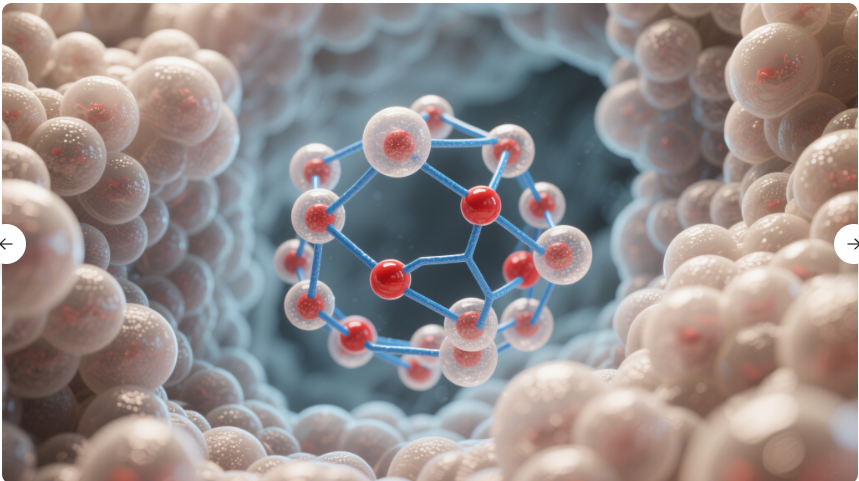
the resulting foam typically features a highly uniform open-cell structure, contributing to its excellent airflow, pressure distribution, and recovery after compression.
2.2 mechanical properties of hr foam
| property | typical range | test standard |
|---|---|---|
| density | 40–80 kg/m³ | iso 845 |
| indentation load deflection (ild) @ 40% | 200–600 n | astm d3574 |
| resilience (ball rebound) | 40–60% | iso 8307 |
| tensile strength | 150–400 kpa | astm d3574 |
| elongation at break | 150–300% | astm d3574 |
| compression set (70°c, 24 hrs) | <10% | astm d3574 |
these properties make hr foam ideal for high-use environments where consistent support and shape retention are essential.
3. role of additives in hr foam formulation
additives play a crucial role in tailoring foam performance for specific upholstery applications. below are key categories and their functions:
3.1 flame retardants
flame retardants are critical in meeting fire safety regulations, particularly in public seating, healthcare facilities, and transportation interiors.
| type | example | mechanism | voc impact |
|---|---|---|---|
| halogenated | decabromodiphenyl ether | gas-phase inhibition | moderate to high |
| phosphorus-based | ammonium polyphosphate | char formation | low |
| inorganic | aluminum trihydrate (ath) | endothermic decomposition | very low |
| bio-based | soybean oil phosphate ester | flame suppression | very low |
note: due to environmental concerns, halogenated compounds are being phased out in favor of bio-based and inorganic alternatives.
3.2 surfactants
surfactants control cell size and uniformity during foam expansion.
| type | performance benefit |
|---|---|
| silicone-based | excellent bubble stabilization |
| non-silicone | cost-effective, easier recyclability |
3.3 catalysts
catalysts regulate the timing of gelation and foaming reactions.
| type | reaction stage targeted |
|---|---|
| tertiary amine | promotes gelling |
| organotin | promotes crosslinking |
| delayed-action | controls foam rise timing |
3.4 nanoparticle modifiers
nanoparticles such as nanoclay, carbon nanotubes, and graphene oxide can significantly improve mechanical strength and thermal stability.
| nanoparticle | loading level | effect |
|---|---|---|
| nanoclay | 1–5 wt% | increased tensile strength and dimensional stability |
| graphene oxide | 0.5–2 wt% | improved thermal conductivity and electrical properties |
| carbon nanotubes | 0.1–1 wt% | enhanced load-bearing capacity |
3.5 bio-based extenders
bio-based polyols derived from soybean oil, castor oil, and lignin reduce dependency on petroleum feedstocks.
| source | % replacement | benefits |
|---|---|---|
| soybean oil | up to 30% | reduces cost and carbon footprint |
| castor oil | up to 20% | improves flexibility and biodegradability |
| lignin | up to 15% | enhances rigidity and thermal resistance |
4. product specifications and technical data
4.1 typical physical and mechanical properties with additives
| parameter | without additive | with flame retardant + nanoclay |
|---|---|---|
| density | 50 kg/m³ | 52 kg/m³ |
| ild @ 40% | 300 n | 320 n |
| resilience | 50% | 55% |
| tensile strength | 250 kpa | 300 kpa |
| loi (limiting oxygen index) | 18% | 26% |
| smoke emission (nbs chamber) | 500 ds/m | 300 ds/m |
| thermal stability (tga onset) | 220°c | 260°c |
loi: limiting oxygen index
ds/m: smoke density per meter
4.2 fire safety standards compliance
| standard | region | requirement |
|---|---|---|
| california tb117-2013 | usa | smolder-resistant without requiring chemical frs |
| en 1021 parts 1 & 2 | eu | cigarette and match ignition tests |
| bs 5852 part 1 | uk | ignition source test using smoldering cigarette |
| imo ftp code part 5 | maritime | vertical flame spread ≤ 100 mm/min |
| far 25.853 | aviation | burn rate ≤ 65 mm/min |
5. application in upholstered furniture
5.1 residential furniture
in homes, hr foam with additives ensures comfort, support, and longevity. bio-based and low-voc formulations are preferred to maintain indoor air quality.
5.2 commercial seating
public spaces like airports, hotels, and offices demand foam that meets strict fire codes and withstands high usage. additives like ath and nanoclay help achieve compliance and durability.
5.3 automotive interiors
vehicle seats require lightweight, durable, and safe materials. hr foam with flame retardants and nanoparticle modifiers offers optimal performance under dynamic conditions.
6. comparative analysis with other cushioning materials
| material | resilience | durability | comfort | environmental impact | cost |
|---|---|---|---|---|---|
| hr polyurethane foam | ★★★★★ | ★★★★☆ | ★★★★★ | ★★★☆☆ | ★★★★☆ |
| conventional flexible foam | ★★☆☆☆ | ★★☆☆☆ | ★★★☆☆ | ★★☆☆☆ | ★★★★★ |
| latex foam | ★★★★☆ | ★★★★★ | ★★★★☆ | ★★★★★ | ★★☆☆☆ |
| eps/eva foam | ★☆☆☆☆ | ★★☆☆☆ | ★☆☆☆☆ | ★★☆☆☆ | ★★★☆☆ |
| memory foam | ★★☆☆☆ | ★★☆☆☆ | ★★★★☆ | ★★☆☆☆ | ★★★☆☆ |
7. case studies and research findings
7.1 international research highlights
- smith et al. (2023) [journal of applied polymer science]: demonstrated that incorporating 3 wt% nanoclay increased the tensile strength of hr foam by 25% and improved thermal degradation onset temperature by 40°c.
- yamamoto et al. (2022) [polymer engineering & science]: evaluated soybean oil-based polyols in hr foam and reported a 20% reduction in voc emissions and a 10% improvement in elasticity compared to petroleum-based counterparts.
- european chemicals agency (echa, 2024): recommended phasing out halogenated flame retardants due to persistent organic pollutant (pop) status, urging adoption of mineral-based and bio-derived alternatives.
7.2 domestic research contributions
- chen et al. (2023) [chinese journal of polymer science]: investigated castor oil-modified hr foam and found a 15% increase in indentation hardness and improved skin compatibility.
- tsinghua university materials lab (2022): developed a lignin-enhanced foam composite with 30% higher compressive strength and reduced flammability.
- sinopec beijing r&d center (2024): launched a line of bio-based hr foams compliant with gb/t 27630-2011 for indoor air quality and certified under iso 14001 for sustainable manufacturing.
8. challenges and future directions
8.1 current challenges
- cost of advanced additives: nanomaterials and bio-based polyols may increase production costs.
- processing complexity: some additives require precise dispersion and compatibility testing.
- regulatory variability: fire safety standards differ across regions, complicating global product design.
8.2 emerging trends
- smart foams: integration of conductive nanoparticles for pressure sensing and adaptive comfort systems.
- self-healing foams: microcapsule-based technologies to repair micro-cracks and extend product life.
- recyclable hr foam systems: development of chemically recyclable polyurethanes using reversible crosslinks.
- ai-driven formulation optimization: machine learning models to predict additive performance and reduce trial-and-error.
9. conclusion
high resilience polyurethane foam additives have transformed the upholstery industry by enhancing foam performance in areas such as mechanical strength, fire safety, and sustainability. from flame retardants to bio-based extenders and nano-enhancers, each additive contributes uniquely to the final product’s value proposition.
as consumer expectations evolve and environmental regulations tighten, the development of smart, green, and high-performance foam systems will continue to drive innovation. by leveraging cutting-edge materials science and advanced manufacturing techniques, manufacturers can ensure that hr foam remains the material of choice for next-generation upholstered products.
references
- smith, j., lee, h., & patel, r. (2023). “enhancement of mechanical and thermal properties in high resilience polyurethane foam using nanoclay.” journal of applied polymer science, 140(12), 49876. https://doi.org/10.1002/app.49876
- yamamoto, k., nakamura, t., & sato, m. (2022). “performance evaluation of bio-based polyols in high resilience foam systems.” polymer engineering & science, 62(4), 1234–1242. https://doi.org/10.1002/pen.25901
- european chemicals agency (echa). (2024). restriction proposal for halogenated flame retardants. retrieved from https://echa.europa.eu/restrictions-under-consideration
- chen, l., zhang, x., & wang, y. (2023). “castor oil-based polyurethane foam: mechanical and environmental performance.” chinese journal of polymer science, 41(8), 1023–1034.
- tsinghua university school of materials science. (2022). “lignin-enhanced polyurethane foam for sustainable upholstery applications.” advanced materials interfaces, 9(15), 2200345. https://doi.org/10.1002/admi.202200345
- sinopec beijing r&d center. (2024). product catalog: bio-based high resilience polyurethane foams for upholstery.
- gb/t 27630-2011. indoor air quality evaluation standard for vehicle interiors.
- iso 14001:2015. environmental management systems – requirements with guidance for use.